- Oct 10, 2025
What Unschooling Really Looks Like (and Why We’re Choosing It as a Black Family)
- Jennifer
- Unschool/Homeschool
- 0 comments
When some people hear the word unschooling, they automatically think of kids running wild with no guidance, no learning, no structure. But that’s not reality — and it’s definitely not what’s happening in my home.
🎥 Prefer to watch instead of read? Here’s a look at a real day in our unschooling life.
Unschooling isn’t about neglect. It’s not anti-education. It’s about creating an environment where learning is a natural part of everyday life and memorable.
In this post, I’ll explain what unschooling really is, what it isn’t, and how it works for our unique family, from toddlers to our long-term vision of guiding confident, self-motivated teens and eventually young adults. I’ll talk about why, as a Black family, we are making this choice with intention.
What Unschooling Is (and Isn’t)
Unschooling is a term popularized by John Holt that places focus on curiosity-driven learning over a forced curriculum. This just means that the children are free to explore their surroundings and the adults around them act as guides to expand on things they show interest in.
Imagine being a little kid outside playing. You spot a bug crawling by, and your brain lights up: “What’s that bug doing? Where is it going?”
A child-led parent doesn’t say, “Nope, that’s not on today’s lesson plan.”
Instead, we lean into that curiosity.
Maybe we sit and watch together to see where the bug is going. Maybe we go check out a book from the library, or look up a video, or even connect with someone who knows all about insects. We might even visit an insectarium one day.
Before you know it, we’ve counted bugs, learned their lifecycle and habitat, talked about the food chain, learned new vocabulary in books about bugs.. It’s endless. Until they’re on to the next thing! It doesn't matter if it's bugs, cars, trains, etc. Whatever their interest is, it can be used to expand on additional topics/subjects.
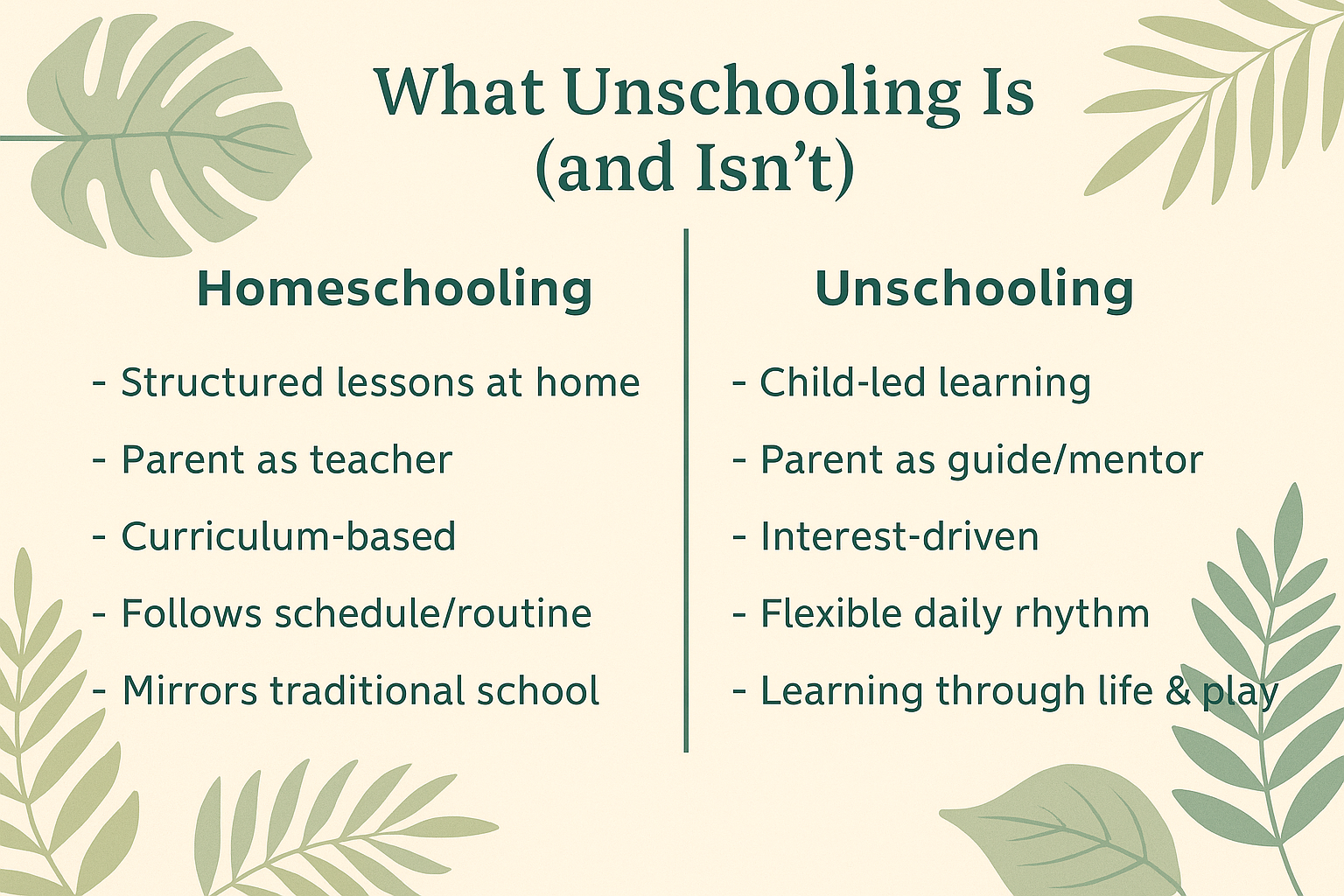
As you can see, it’s different from the one-size-fits-all style of learning that we start pushing on each individual as soon as they enter the traditional preschool or Kindergarten.
My kids are learning math, literacy, science, art, and social skills every day, but it won't look like flashcards, strict schedules, or sitting at a desk for hours daily.
It looks like reading books for fun, gardening, cooking breakfast together, playing outside, traveling, hiking, and asking big questions. Together.
For context: I didn’t attend a traditional school between kindergarten and eighth grade. When I finally started public school at 13-years-old, I realized my brain worked differently from my peers. I had no idea why the traditional approach wasn't a good fit for me; I just remember being consistently annoyed with the pace of things.
I knew how to teach myself —A survival skill became a superpower.
That’s the root of this choice to unschool: We want these kids to hold onto that confidence, the sense of ownership over their learning.
Why We’re Choosing Unschooling as a Black Family
Let’s be real — the public school system was never built with our kids in mind. Too many of us have watched brilliant Black children get labeled, silenced, or pushed aside. We’ve attended the same classes and seen for ourselves the way history books skip over our stories. We know how ‘discipline’ can turn into a pipeline straight into a hard adulthood. That’s not the path I want for mine.
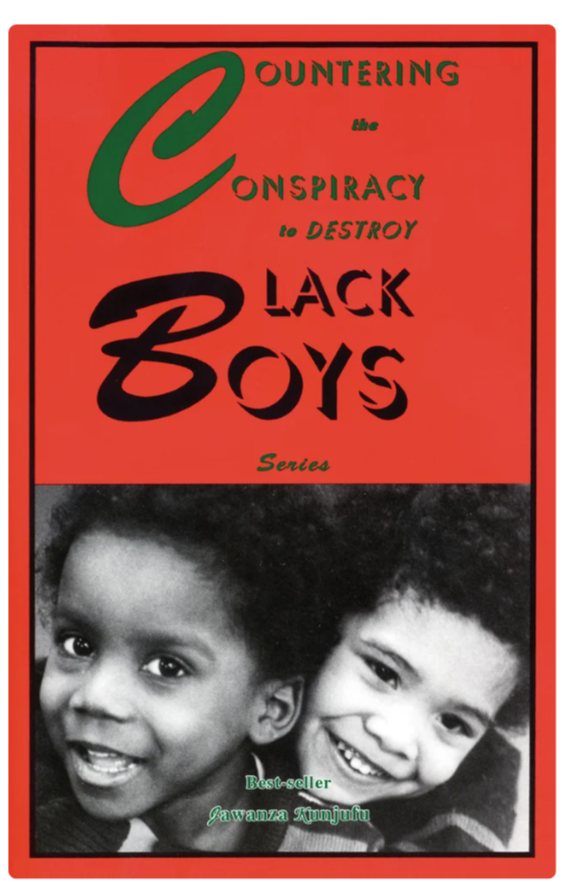
Dr. Jawanza Kunjufu talks about the “4th grade syndrome” — that point where Black boys in particular start to check out of school, after years of being told to sit still, be quiet, and stop asking questions. This was something I was able to witness for myself through a short time substitute teaching at different grade levels.
Some books for unschooling black children that show representation and culture. All books pictured are listed at the end of this article.
Without the responsibility of keeping pace with a classroom full of people, our kids can surpass grade/age-level expectations and slow down to go deeper into more complex topics.
For me, unschooling is a way to protect the space around them so our children can have a childhood. It’s how I make sure my kids see themselves reflected in what they read, in the people they learn about, and in the examples inside our home.
This is how we're able to live life with our kids instead of the old, “children should be seen and not heard.”
Unschooling for our family isn’t just about academics. It’s about raising free, confident kids who know where they come from and believe they can do anything. It’s about liberation from a system made to help us conform and serve, plain and simple.
What It Looks Like for Our Family

Current Ages & Stage
As I write this, our children are 19 months and 3 years old. Both are tracking ahead of what a typical daycare or preschool would be working towards with their same-age peers (according to the CDC’s developmental milestones).
My 19-month-old has been working for months towards 2-year-old milestones, while my 3-year-old is beginning kindergarten-level work. These facts aren’t the result of worksheets or drills — they come from everyday life and intentional exposure.
From the start, we’ve trusted them with some freedom and responsibility. We lean hard on natural/logical consequences. We introduced potty learning as soon as they started solid foods, gave them real glasses instead of sippy cups, skipped the crib for real beds, and created spaces where they could move freely and participate in daily life.
These choices might look different, but they’ve built independence, motor skills, and self-confidence from the beginning.
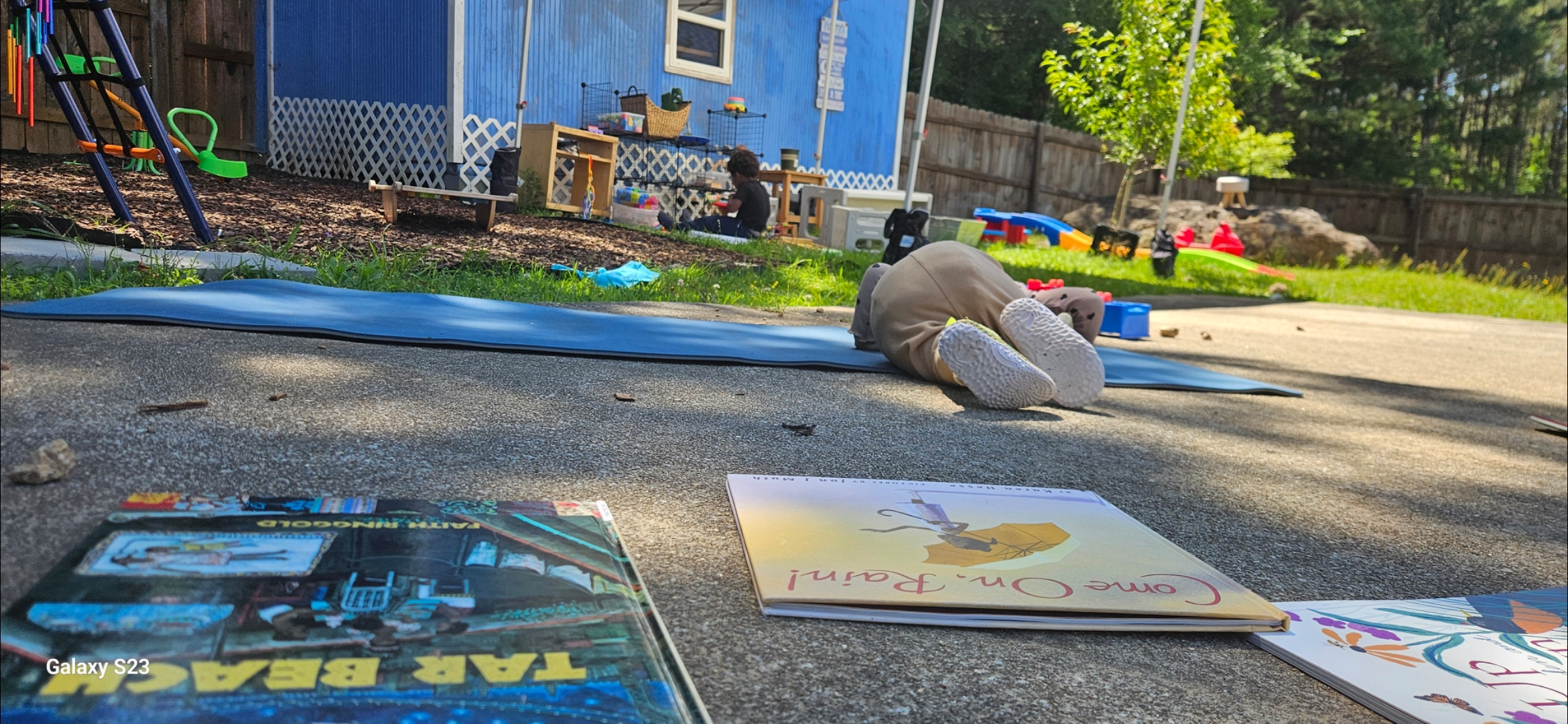
Daily Flow
We don’t have any days that look exactly the same. But we do have a rhythm that naturally flows.
Our mornings mostly start with a snack before breakfast. Then, free play or exploring the backyard. My 19-month-old is drawn to nature — she’ll head outside first thing, rain or shine.
Inspired by another good read, “There’s No Such Thing as Bad Weather”, we make sure outdoor time is part of every day. We’ve created an outdoor ‘classroom’ where the children can go out and choose whatever they’re in the mood for.
Indoors, our mixed-age playroom is constantly rotated to match developmental needs for both kids, with open-ended toys and self-correcting materials. Their bedrooms have things more specific to their individual developmental levels.
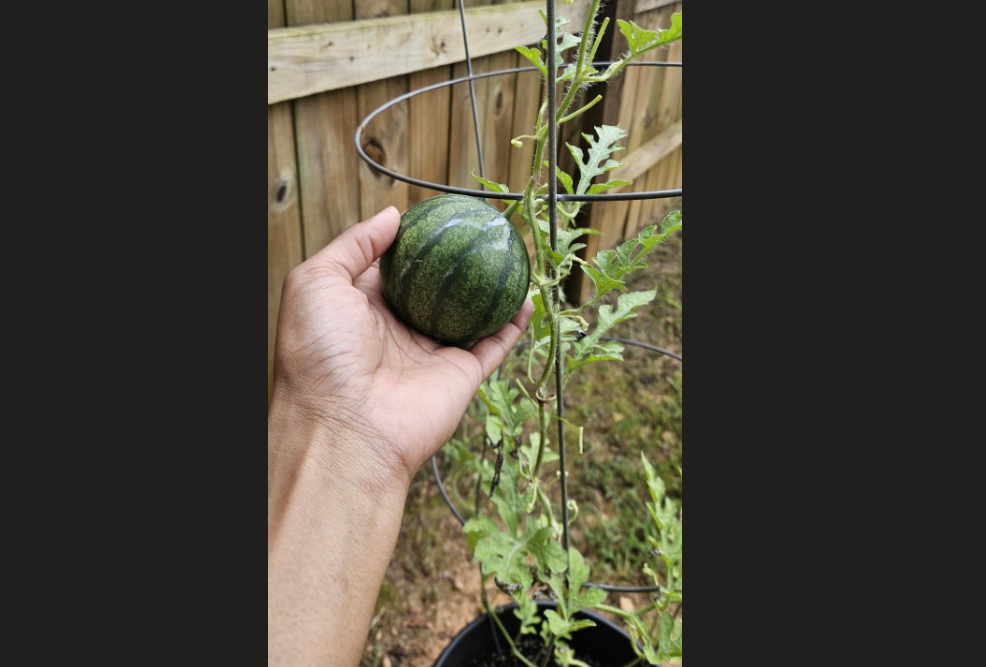
We tend our garden, dance together, and talk about our day. We read multiple times a day — at nap, bedtime, and whenever curiosity strikes. The garden has been a huge learning lab. My son could explain the three things a seed needs to grow before turning three, while my toddler practices fine motor skills by cutting basil or scooping soil. Every activity connects to literacy, math, science, or life skills.
Sometimes we head out to explore, but most days we stay home and do life together. That includes errands, chores, and learning new hobbies together as beginners.
Exposure Without Pressure
We mix different learning styles and philosophies like Montessori, Reggio Emilia, or concepts from nature schools. The grounding principle in our home is exposure without pressure.
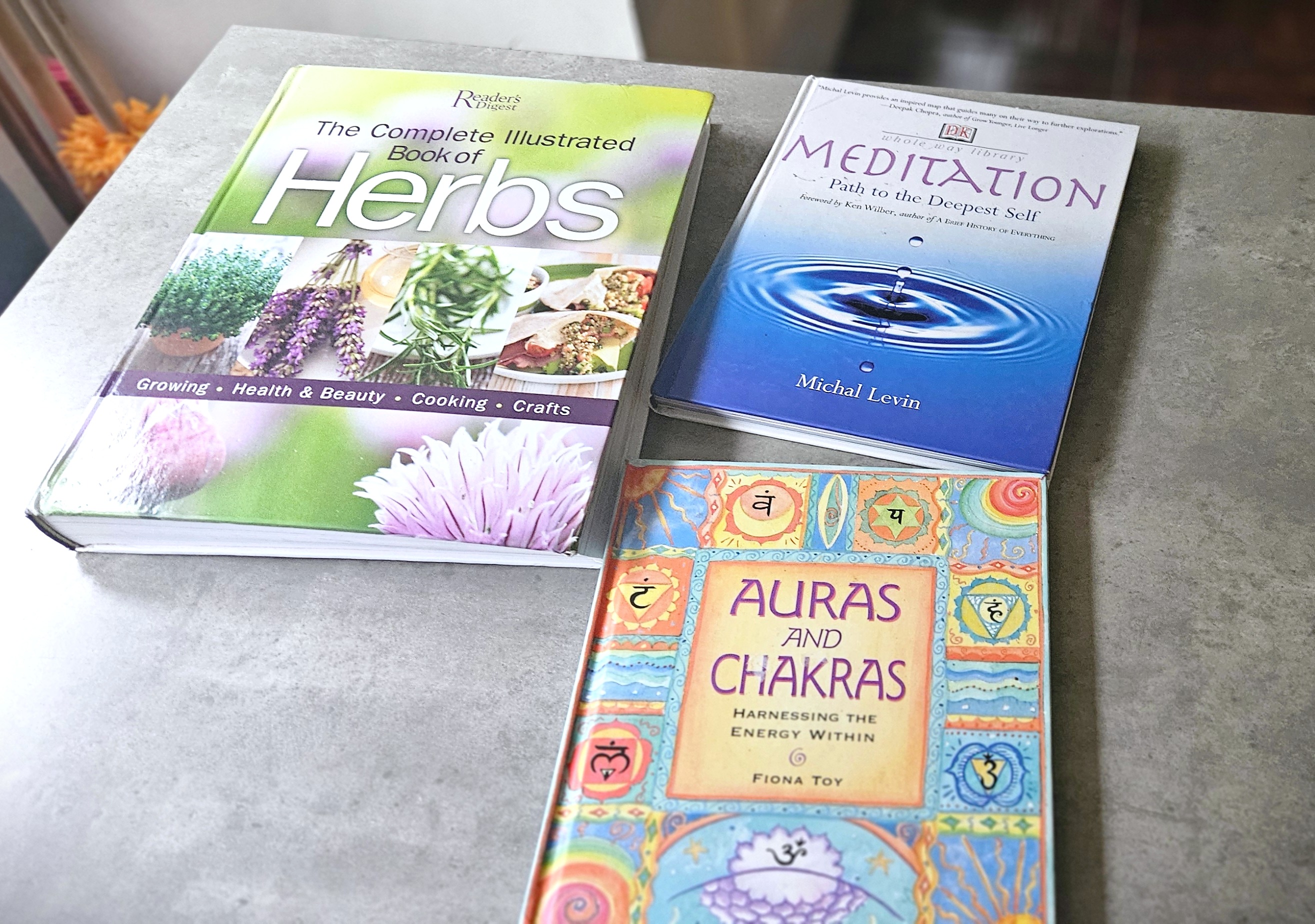
We introduced instruments, sewing, mud kitchens, art, checkers, dominos, rollerskates, books about chakras and plants, and more.
Some interests stick, others don’t — and that’s fine. The goal isn’t to force mastery, but to let them discover their passions and build confidence at their own pace.
I had no idea that my 2-year-old would start sounding out letters, so no, I don’t force my 3-year-old to begin reading early. I just didn’t stop at what his age would usually limit him to.
Lifelong Learning Together
After reflecting on my own experiences with the education system and watching the people around me growing up, I knew that I wanted to place a heavy focus on learning as a hobby, not for tests.
The way we encourage this is through modeling in everyday life. The children see adults around them starting as complete beginners at new skills right alongside them. This includes our ventures learning to rollerskate together, learning to hike, learning to grow a garden, and learning a foreign language.
They see adults reading for pleasure or learning from textbooks. We’re all learning about the world together as we travel; this is why they’re not being left with any babysitters when we go international.
Looking Ahead: Beyond the Early Years
Unschooling isn’t just for toddlers. Our long-term vision is to raise young people who master fundamentals early, so they can dive deeply into their passions. The plan is for them to have freedom to shape their teenage years around what excites them most.
Along the way, they’ll also be exposed to traditional test-taking, interviewing formats, and all the other practical life skills that will set them ahead.
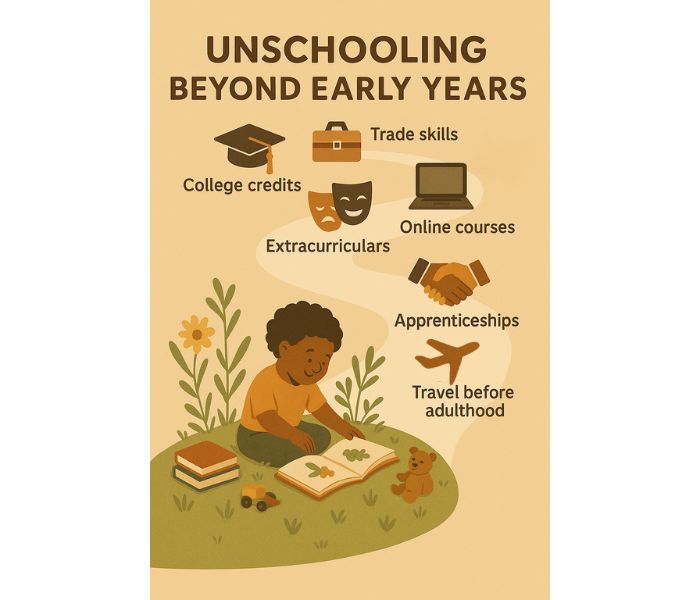
This can look different for each person depending on what direction they choose for themselves, but that might look like graduating high school work by 14 or 15, leaving a few years of space for:
College credits through dual enrollment
Trade and technical skills
Entrepreneurship and investment ventures
Internships and apprenticeships
Travel before adulthood
Unschooling Through Advanced Topics
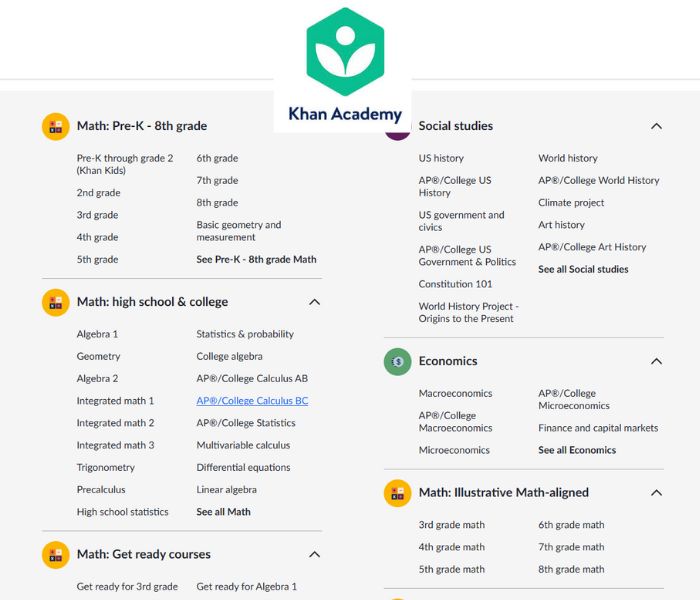
Of course, I know there will be subjects beyond my expertise—and that’s okay. Teachers in traditional schools typically specialize in a single subject, too. I’m aware that I’m not capable of teaching my children every little thing.
When the time comes, our plan includes a healthy mix of:
-
Online courses in advanced topics
These types of courses are offered free and paid through platforms like Khan Academy, Udemy, or Coursera.
-
Mentors and tutors for areas that are above me.
This can be a professional or a teenager looking for extra income.
-
Technical and Community colleges offer in-person classes without limitation to age
as long as they’ve completed the 12th grade.
-
Extracurricular sports and activities
Most states have some type of terminology surrounding Homeschoolers and how they can participate in public school team sports within our school district after a certain age.
Private and group lessons in music, movement, sports, leadership, acting, whatever they lean into!
Plenty of project-based learning, built on real-life experiences.
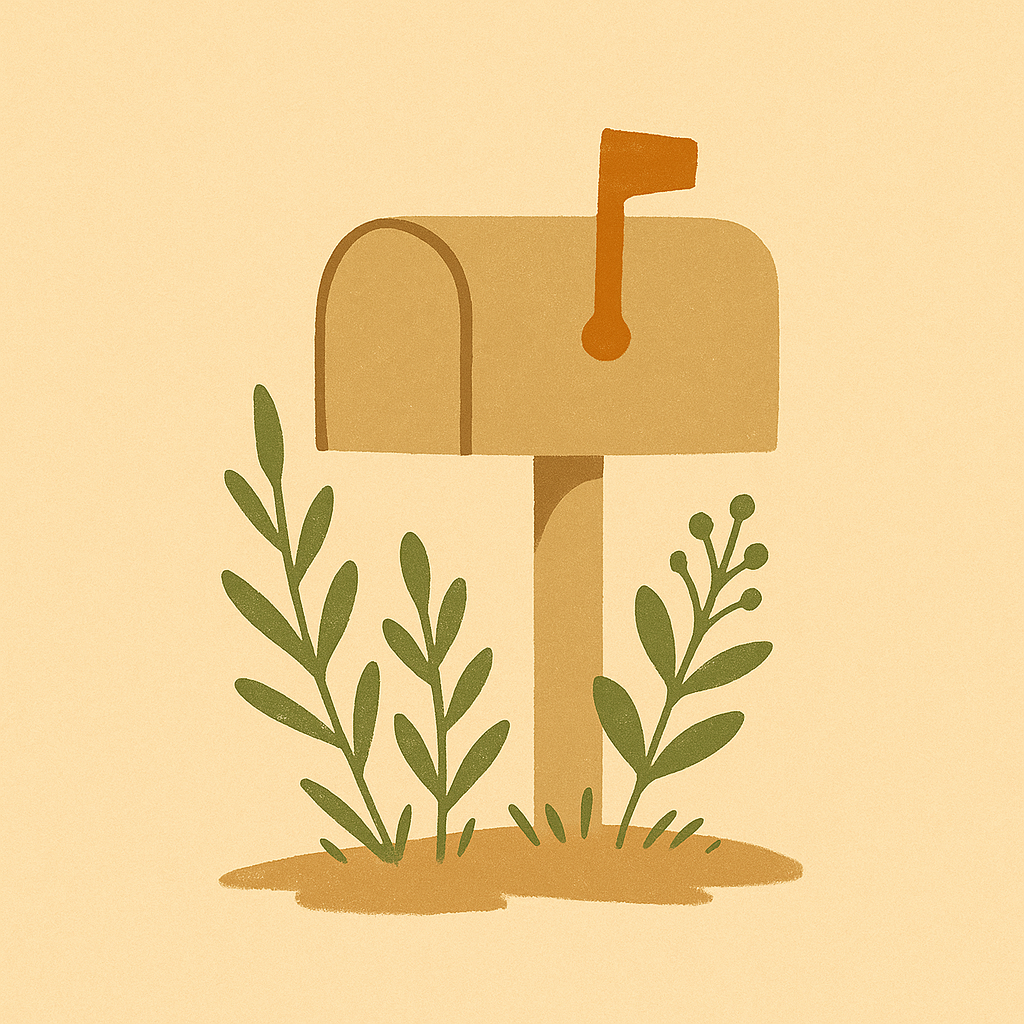
For now, an example of what this looks like at our current stage is as simple as planting a community ‘offering’ at our mailbox.
This little garden of edible berries and herbs can turn into a hands-on lesson in goods, services, giving, economics, and community helpers. Except, my kids won’t be memorizing it from a worksheet—they’ll be living it.
Why This Works for Us
I’m not defending our choice — I’m clarifying the special circumstances that make it work.
We are two full-time, remote-working parents. This means that we’re not able (nor do we really want) to sit down for 5-8 hours daily, recreating a preschool environment. There’s no way we could make it work while both working full-time.
In our home, play becomes our literacy, math, science, and social skills. A mud kitchen becomes a lab for measurements and chemistry. Counting orange slices is math. Drinking from real glasses, cleaning up spills, and preparing snacks are life lessons. Freedom of movement teaches responsibility and self-trust.
Yes, it still takes work. I rotate toys/materials, scaffold skills, and stay a step ahead to support their rapid growth. But the effort pays off when my 3-year-old is excited to read beginner words or when my 19-month-old listens to her body and heads confidently to the potty.
We sometimes align play with the Georgia Early Learning and Development Standards (GELDS). If you're not sure what that is, read my blog post on ordering free preschool curriculum resources right HERE.
These are the markers that unschooling, with intention, trust, and exposure, is working for us.
While unschooling doesn’t erase the realities of being Black in America (we all know how early it starts). What it does is give my children room to know themselves deeply before the world tries to tell them who they are not.
Closing Thoughts + Invitation to Explore
Unschooling isn’t for everyone — and that’s okay. But it is worth understanding.
The more we see and learn about different approaches, the better prepared we are to raise kids who can thrive in a diverse world.
For us, unschooling is about raising confident, curious, independent children who believe they can learn anything — while making sure they see their Black selves represented, celebrated, and protected within their home and education.
If you’re also a black parent who’s curious, join my community, 'Our Space', where we share resources, daily wins, and support for raising little ones outside the box.
📌 FAQ: Unschooling Explained
Is unschooling legal?
Yes. In the U.S., unschooling falls under the legal umbrella of homeschooling. Each state has its own requirements for reporting, attendance, or portfolios. Families practicing unschooling just need to meet their state’s homeschool rules — the how of learning is up to the family.
What does unschooling look like for toddlers?
It looks like everyday life: play, exploration, and curiosity turned into learning moments. Reading stories, gardening, helping in the kitchen, and pretend play are all part of early literacy, math, and science without formal lessons.
How do unschooled kids learn basics like reading and math?
Through exposure and use in real life. Reading often grows from being read to, seeing books in daily use, and playing with letters. Math shows up in cooking, shopping, building, and games. Many families also use formal resources if or when their child asks for more support.
How do unschooled kids pass standardized tests or the SAT/ACT?
Unschooling doesn’t mean avoiding structure—it means learning differently. When test time comes, unschooled kids usually prepare just like homeschoolers do, using online practice tools, tutoring, or focused study units. Because they’ve spent years learning how to research, think critically, and self-motivate, many adapt quickly to testing formats. Parents can register through their local school district or official testing centers when ready.
Do unschooled kids go to college?
Yes. Colleges accept homeschoolers (including unschooled students) using transcripts, portfolios, dual-enrollment credits, or standardized tests. Many also choose trades, entrepreneurship, or other non-college paths.
How do parents get time for themselves if kids are home all day?
Unschooling doesn’t mean entertaining kids 24/7. It’s about preparing an environment where kids can play and learn independently. Over time, children gain confidence to explore without constant direction, giving parents breathing room for work or self-care.
How do unschooled children socialize?
Socialization happens everywhere—on playgrounds, at community events, in sports, libraries, co-ops, and even online. Unschooling gives children time to build relationships naturally through shared interests instead of forced group settings. Because they interact daily with people of different ages and backgrounds, unschooled kids often develop strong communication skills, empathy, and confidence in real-world social situations.
How does unschooling support Black children differently?
Unschooling doesn’t erase racism or stigma, but it creates space for Black children to build confidence and self-knowledge before outside pressures increase. It allows families to center Black history, voices, and representation daily, which strengthens identity and resilience.
I put together a FREE list of resources to help get started on your unschooling journey
This includes books I recommend, free preschool curriculum guides/activities, and all of the supplies we used to get started with our first official 'Homeschool Year'.